
Vacant Building Insurance Louisville KY: What Real Estate Investors need to know
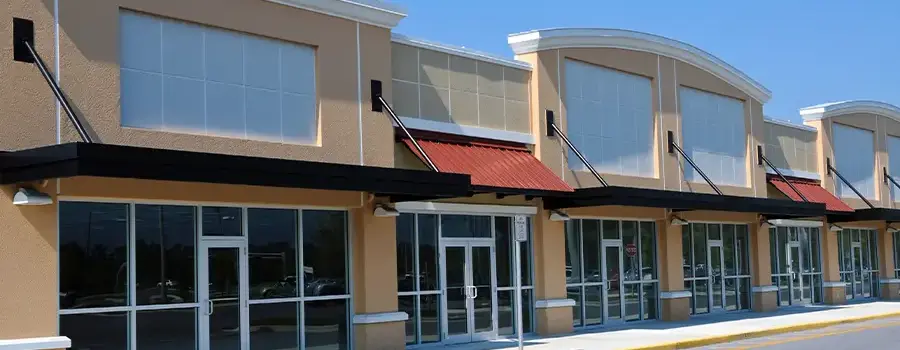
Vacant Building Insurance Louisville KY: What Real Estate Investors Need to Know
Real estate investors understand that vacancy is often part of the investment process. Properties may sit empty while undergoing renovations, waiting for tenants, or being repositioned for sale. However, what many investors do not realize is that vacant buildings present unique risks that are often excluded under standard insurance policies.
For investors in Louisville and throughout Kentucky, understanding how vacant building insurance works is essential for protecting valuable real estate assets.
Whether you own a commercial building, mixed-use property, apartment building, or rental home that is temporarily unoccupied, specialized insurance coverage may be necessary to avoid serious financial exposure.
What Is Vacant Building Insurance?
Vacant building insurance is a specialized insurance policy designed to cover buildings that are unoccupied for an extended period of time.
Most standard property insurance policies contain vacancy clauses that restrict coverage once a property has been vacant for a certain number of days.
Typically, insurance companies define a building as vacant if it has been unoccupied for more than 30 to 60 days.
Once that vacancy threshold is reached, many standard policies will:
- Exclude vandalism coverage
- Reduce claim payments
- Deny certain types of losses
- Cancel the policy entirely
Vacant building insurance fills this coverage gap by providing protection specifically designed for unoccupied structures.
Why Vacant Buildings Present Higher Risk
Insurance companies view vacant buildings as higher risk for several reasons.
When a property is occupied, tenants or employees can quickly notice problems such as water leaks, fires, or vandalism. When buildings are empty, these problems may go undetected for long periods.
Common risks associated with vacant buildings include:
Vandalism and Theft
Vacant buildings often attract vandals or individuals looking to steal copper wiring, HVAC equipment, or construction materials.
Fire Damage
Without occupants present to detect smoke or fire early, small incidents can quickly escalate into catastrophic losses.
Water Damage
Frozen pipes, roof leaks, or plumbing failures may go unnoticed for weeks.
Liability Exposure
Trespassers, squatters, or curious individuals may enter vacant buildings and potentially become injured, creating liability claims against the property owner.
Because of these exposures, insurers require specialized underwriting for vacant properties.
Types of Properties That Need Vacant Building Insurance
Vacant building insurance is commonly needed for a wide range of property types.
Examples include:
Vacant Commercial Buildings
Retail centers, office buildings, warehouses, and other commercial properties that are temporarily empty while awaiting tenants.
Vacant Rental Homes
Landlords may have vacancies between tenants or during property renovations.
Redevelopment Properties
Investors who purchase properties for renovation or redevelopment often need coverage while construction or improvements take place.
Mixed-Use Properties
Buildings that include both residential and commercial units may be vacant while undergoing upgrades or repositioning.
Investment Properties Awaiting Sale
Properties purchased at foreclosure auctions or through distressed property acquisitions often remain vacant until renovations are completed.
Vacant Building Insurance for Real Estate Investors
Real estate investors frequently encounter vacancy periods as part of their investment strategy.
For example:
- A property purchased for rehabilitation and resale may be vacant during renovations.
- A multifamily property may have several units empty during repositioning.
- A commercial building may be vacant while the owner searches for new tenants.
Without the proper insurance coverage, investors could face devastating financial losses if something happens to the property.
Vacant building insurance allows investors to protect properties while transitioning between phases of ownership.
What Vacant Building Insurance Typically Covers
Coverage options can vary depending on the insurance company, but many vacant building policies include protection for the following risks.
Fire
Fire coverage protects against damage caused by accidental fires, electrical issues, or other ignition sources.
Wind and Hail
Storm damage is a major concern in Kentucky, particularly during severe weather seasons.
Vandalism
Specialized vacant property policies may include coverage for vandalism and malicious damage.
Liability Coverage
Liability coverage protects property owners if someone is injured while on the premises.
Structural Damage
Coverage may include protection for the building structure, roof, walls, and foundation.
Some policies may also allow optional coverage for improvements or renovation projects.
Insurance Challenges With Vacant Properties
Many property owners discover that insuring vacant buildings is not as simple as purchasing a standard policy.
Insurance companies typically require additional underwriting information, such as:
- property condition
- renovation plans
- security measures
- inspection reports
- property value
Insurers may also impose requirements like:
- locked and secured entrances
- functioning alarm systems
- regular property inspections
These measures help reduce the risk associated with vacant buildings.
Vacant Building Insurance in Louisville KY
Louisville has an active real estate investment market, with many investors purchasing properties for redevelopment, rental portfolios, and mixed-use conversions.
During these projects, buildings often remain vacant for several months.
Some common scenarios in Louisville include:
- investors purchasing older commercial buildings for renovation
- landlords repositioning apartment buildings
- developers converting buildings into mixed-use properties
- investors acquiring distressed properties for redevelopment
During these periods, vacant building insurance provides essential protection.
Why Work With an Independent Insurance Agent
Vacant building insurance is often placed with specialty insurance carriers that focus on unique or higher-risk properties.
Independent insurance agents can access multiple insurance markets, including:
- specialty property insurers
- surplus lines carriers
- investor-focused insurance programs
This allows property owners to compare coverage options and pricing from several companies rather than being limited to a single insurer.
For investors with portfolios that include vacant properties, rental homes, or redevelopment projects, working with an independent agent can provide access to more flexible coverage solutions.
Risk Management Tips for Vacant Property Owners
Insurance is only one part of protecting vacant buildings.
Investors should also take steps to reduce risk while a property is unoccupied.
Perform Regular Property Inspections
Checking the property weekly or bi-weekly helps identify problems early.
Maintain Security
Security cameras, alarms, and proper lighting can discourage vandalism and theft.
Winterize the Property
Protect plumbing systems during cold weather to avoid frozen pipes.
Secure Entry Points
All doors and windows should be locked and reinforced to prevent unauthorized entry.
Maintain the Exterior
Keeping the property maintained helps discourage trespassing and improves neighborhood safety.
These proactive steps may also help reduce insurance costs.
How Real Estate Investors Protect Their Portfolios
Experienced investors often develop comprehensive insurance strategies to protect their real estate portfolios.
These strategies may include:
- vacant building insurance for properties undergoing renovation
- landlord insurance for rental units
- commercial property insurance for occupied buildings
- umbrella liability insurance for additional protection
By structuring coverage properly, investors can protect their assets while continuing to grow their portfolios.
Vacant Building Insurance in Kentucky
Across Kentucky, investors frequently purchase properties that require renovations or repositioning.
Vacant building insurance plays an important role in protecting these investments during transition periods.
Properties in Kentucky may face risks such as:
- severe storms
- wind damage
- vandalism
- fire hazards in older buildings
Having the proper insurance coverage ensures that investors are protected while preparing properties for tenants or resale.
Final Thoughts
Vacant buildings are common in real estate investing, but they also present unique risks that standard insurance policies may not cover.
Vacant building insurance provides specialized protection designed specifically for unoccupied properties.
For investors in Louisville and throughout Kentucky, securing the proper insurance coverage is an important step in protecting valuable real estate assets.
Whether a property is vacant due to renovations, tenant turnover, or redevelopment plans, the right insurance policy can help safeguard the investment during these transitional periods.
Vacant Building Insurance Louisville KY
If you own a vacant commercial building or investment property in Louisville or anywhere in Kentucky, it is important to make sure your property is properly protected.
Dick Watts Insurance has been helping property owners and investors find the right coverage solutions for more than 25 years.
To learn more about vacant building insurance or commercial property insurance, contact:
Dick Watts Insurance
Louisville, Kentucky
www.DickWattsInsurance.com
502-245-3625